Every Booked-Out Business Starts With a Blueprint
Join me for this FREE 5-day live challenge and create your personalized Booked-Out Business Blueprint™—a clear plan for attracting dream clients and growing a business that gets booked out.
JOIN THE CHALLENGE SEP 28TH-oct 2nd. GET YOUR vip TICKET →



Luxury Branding Basics from High End Brands Like Louis Vuitton



Jun 3
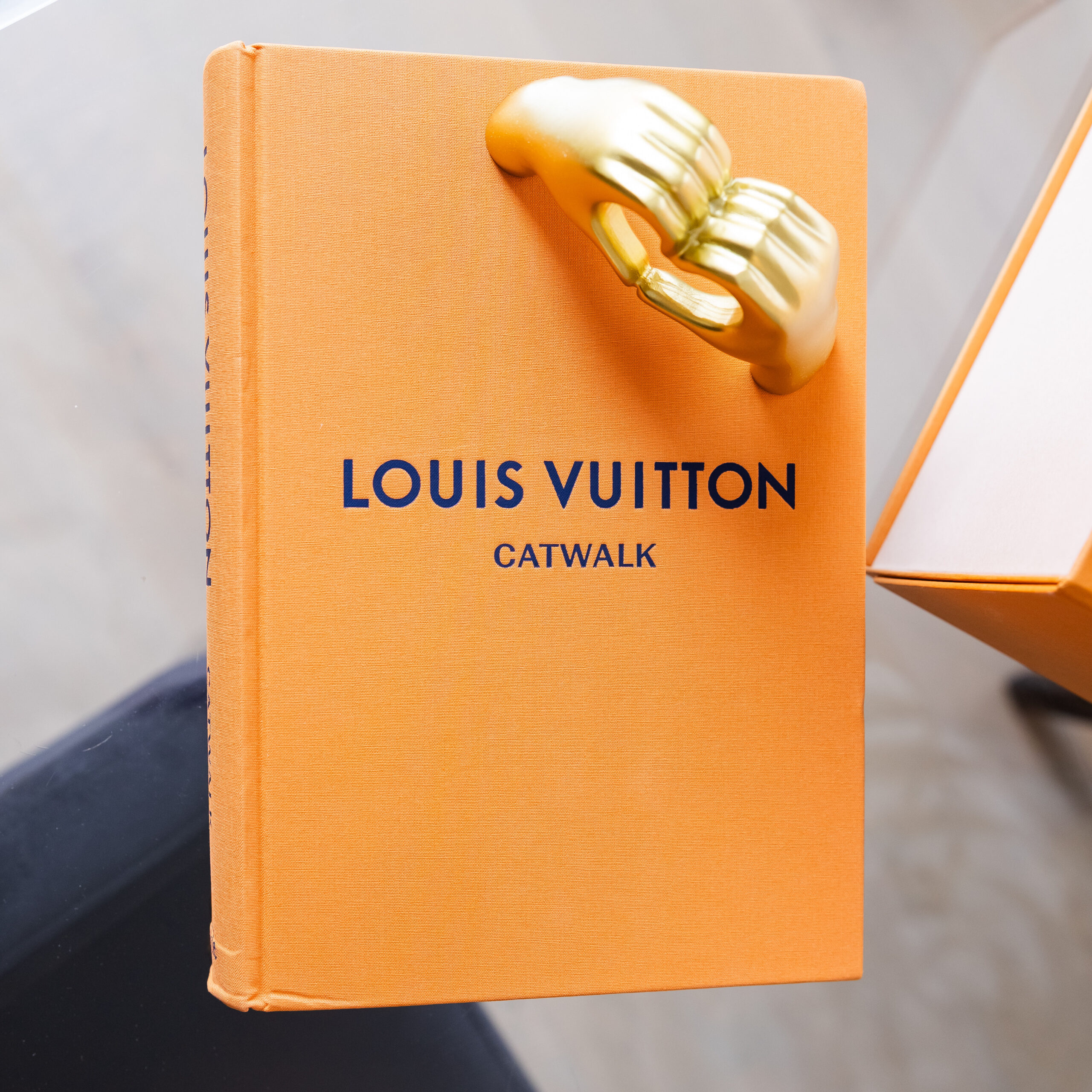
Louis Vuitton generates over $20 billion a year.
And they almost never discount.
They don’t explain their prices.
And they actually make their products harder to get.
Meanwhile—most entrepreneurs are doing the exact opposite… and wondering why their brand isn’t attracting high-ticket clients.
Because this isn’t about what you sell.
It’s about the decisions you’re making behind the scenes that signal your level in the market.
So if you want a brand that people aspire to buy from—not negotiate with—this post is going to shift how you see everything.

It Starts With Identity—Not Aesthetic
When people study luxury brands, they almost always focus on the visuals because it’s fashion and it’s beautiful, so it feels like that’s the point.
But what actually makes these brands work is the identity they’ve chosen and the way they reinforce it at every level.
Louis Vuitton has decided they are exclusive, they are high-end, and they are not for everyone, and everything from their pricing to how you enter the store reflects that.
You’ll literally see people waiting outside while they let a few customers in at a time, even when there’s space, because the experience itself is part of the positioning.
The Exact Opposite of How Most Entrepreneurs Show Up
Most entrepreneurs don’t operate from that kind of certainty, and you can feel it immediately in how they sell.
They get on calls trying to justify their pricing, they offer discounts to close, and they adjust themselves based on who’s in front of them.
The difference is that Louis Vuitton assumes you already want what they have, while most entrepreneurs are trying to convince someone to choose them, and those are completely different energies.
That shift alone changes how your brand is perceived before anyone even looks at your offer.
The Identity Standard Most Brands Avoid
What makes this even clearer is when you look at brands like Hermès, where the identity is even more extreme.
People wait years for the opportunity to buy a Birkin, and when that moment comes, they don’t even get to choose the exact bag—they decide if they’re going to accept what’s offered.
That only works because the brand has fully decided who it is, and it’s not negotiating that with the customer.
It’s not about whether the product is objectively better, it’s about the identity being so clear that the demand follows.
What This Actually Means For Your Brand
Most people think pricing higher will fix their positioning, but pricing without identity just creates friction.
If your brand still feels flexible, available, and overly accommodating, clients will continue to approach you that way no matter what you charge.
The shift is deciding the level you operate at and then making sure every decision—from how you sell to how clients enter your world—actually reflects that.
If you’re serious about attracting high-ticket clients, you need to understand exactly how your brand is being perceived—because right now, something is lowering your value, whether you see it or not.
That’s exactly what we uncover inside my complimentary Luxury Brand Audit.
Book your call with the link here.
And if you want to see how this plays out specifically on your website, go read this post right here: 7 Premium Luxury Website Design Trends to Spice Up Your Site in 2026.
Save for later—Pin This Post!