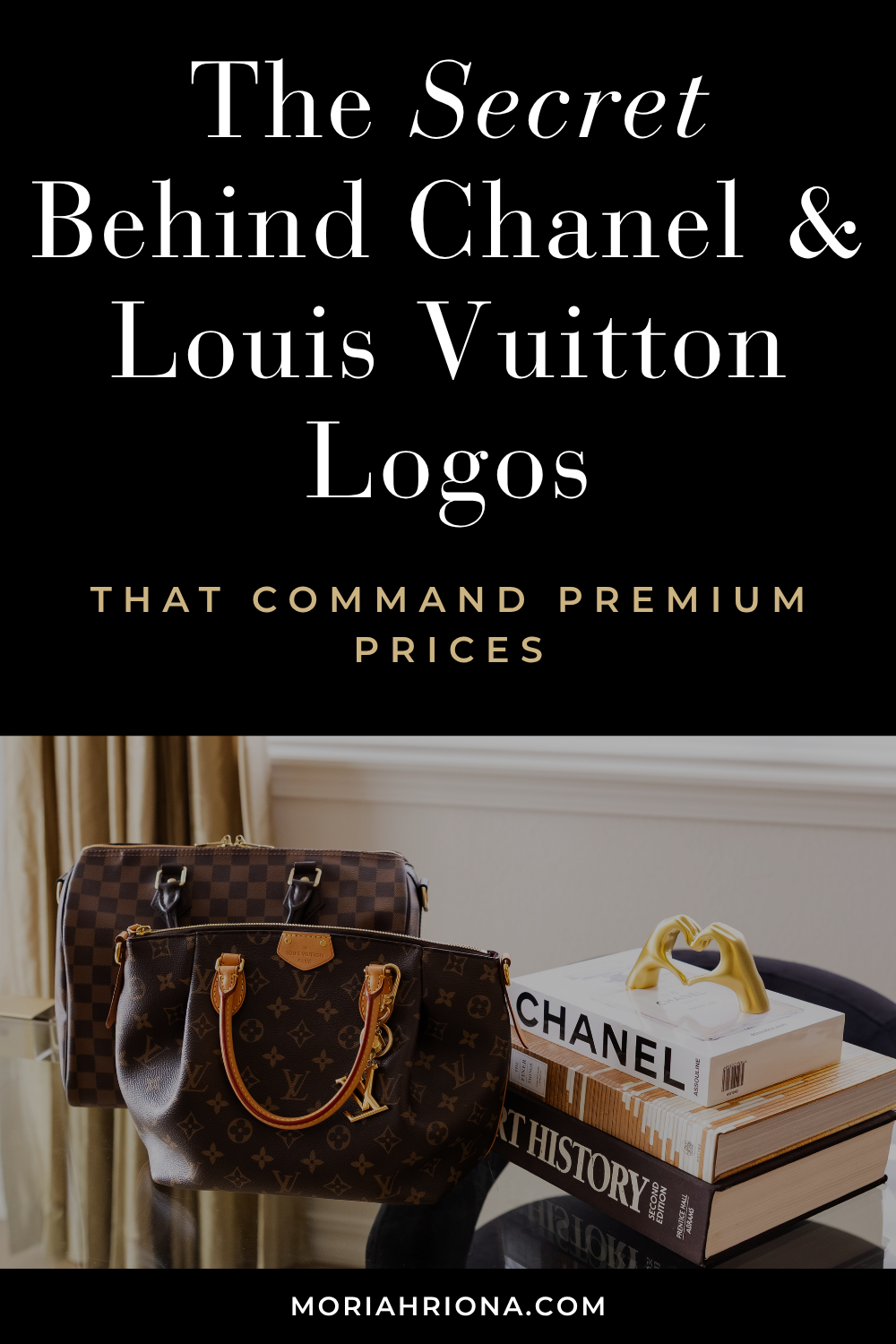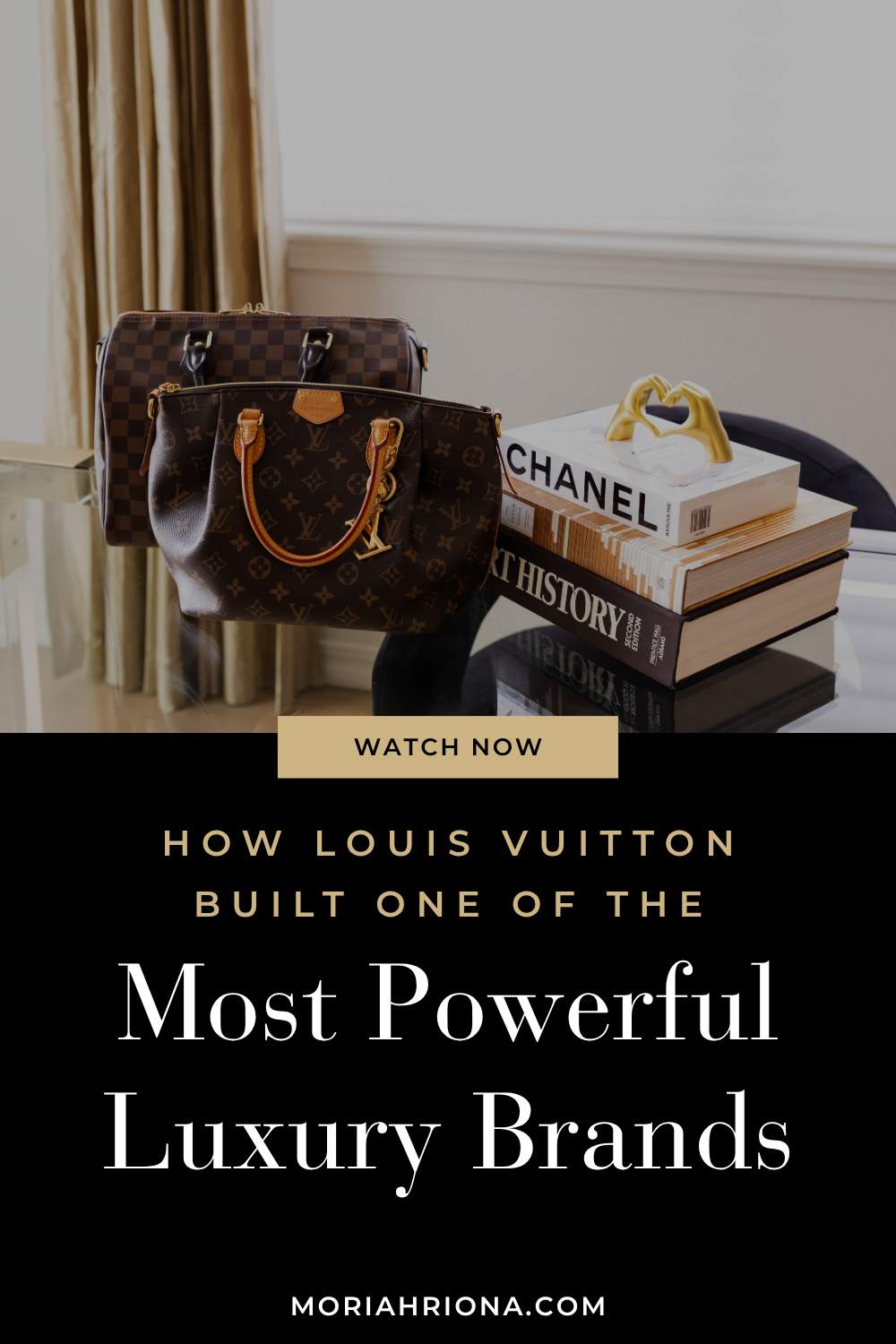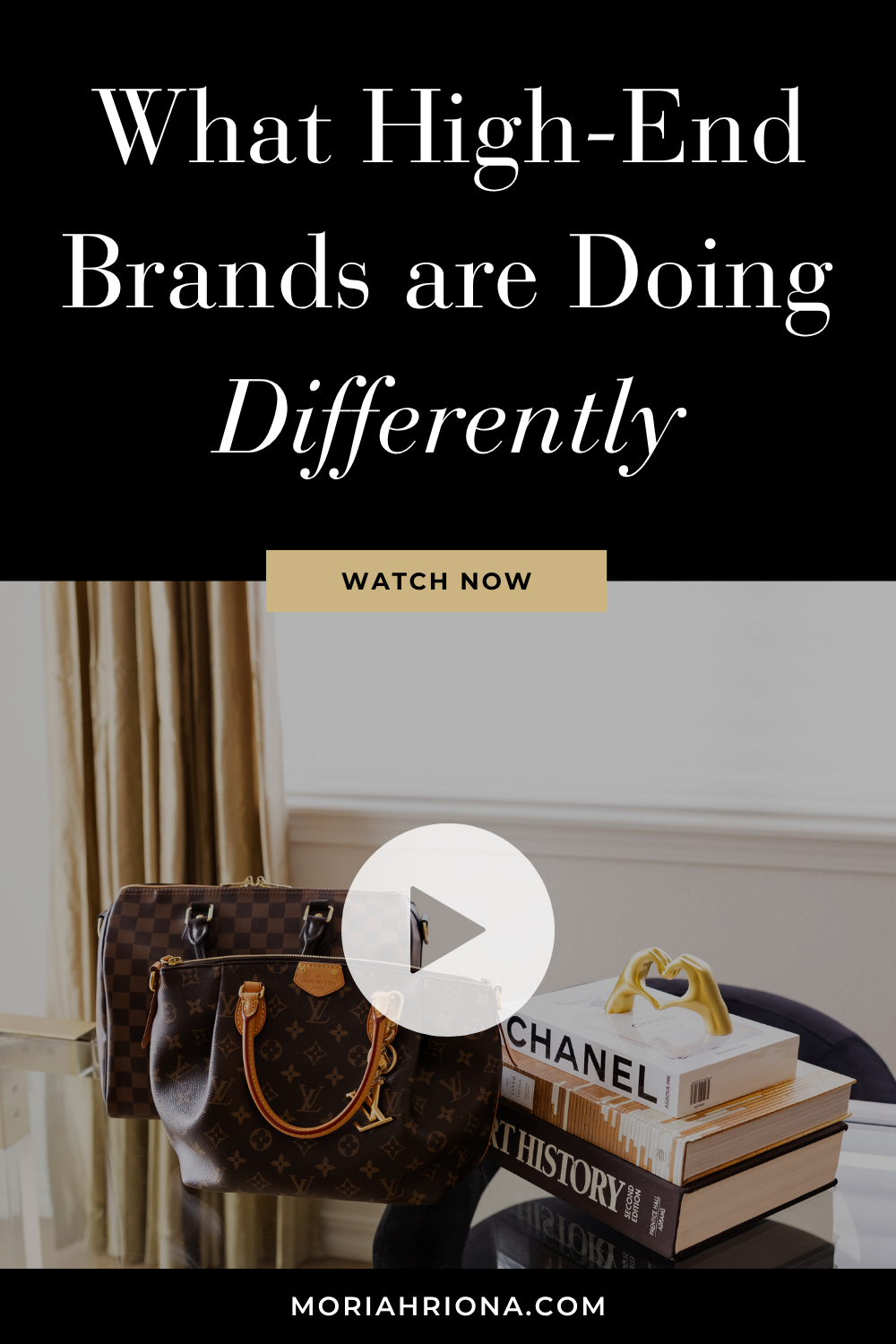
How Chanel & Louis Vuitton Designed Logos That Command Premium Prices




May 11
Chanel hasn’t changed its logo in over 100 years. Louis Vuitton’s monogram was designed in 1896. And both brands still command thousands of dollars per item—without discounting, without explaining themselves, without competing on price.
So what do they understand about logo design that most entrepreneurs completely miss?
Because I’ll be honest—most logos I see today? They’re overdesigned, trend-chasing, and quietly signaling ‘I’m still figuring it out.’
And high-ticket clients can feel that instantly.
In this post, I’m breaking down exactly how these two brands designed logos that hold power for decades—and how you can apply the same principles to position your brand at a completely different level.

Most Logos Aren’t Designed—They’re Assembled
The biggest mistake I see is thinking a logo is one thing.
One file. One mark. One little graphic you stamp everywhere.
That’s not how high-end branding works.
A logo is a system. It’s a flexible set of marks that adapt across your brand—so it always feels intentional, balanced, and elevated no matter where it shows up.
When I see logos with too many fonts, too many elements, too much happening—it doesn’t read as creative.
It reads as unsure.
And high-ticket clients don’t invest in unsure.
Simplicity Isn’t Basic—It’s Precision
Here’s what most people miss about Chanel and Louis Vuitton.
Their logos are simple—but they’re not accidental.
They’re meticulously balanced. The spacing, the weight, the composition—it’s all intentional.
And that level of precision is what allows them to feel effortless.
Because luxury never looks like it’s trying.
The moment your logo starts over-explaining, over-decorating, or over-performing, it stops signaling confidence.
And starts signaling compensation.
Trends Quietly Lower Your Value
Here’s the contrarian truth.
Any trend you follow is lowering your perceived value.
Because trends are temporary.
And luxury is permanent.
When your logo feels like it belongs to a moment, it tells your audience that your brand might not last beyond it.
And that’s not a risk high-level clients are willing to take.
They’re not just buying your service—they’re buying stability, certainty, and long-term value.
The Identity Shift No One Talks About
What I’ve seen with my clients is that when we design a logo the right way, something deeper shifts.
Yes, the brand looks more elevated.
But more importantly—they start showing up differently.
Because the logo is no longer just a visual.
It’s a reflection of who they’ve decided to be.
And that’s why I always say—logo design is not where you start.
Identity is.
If this is landing for you, comment “IDENTITY.”
Because most women don’t have a pricing problem—they have a positioning problem.
The One Move That Changes Everything
If you take one thing from this post, it’s this.
Simplicity wins—but only when it’s backed by strategy.
Because without identity clarity, you’re just guessing.
And guessing shows.
If you want a brand that actually attracts high-ticket clients—this is your next step.
The Luxury Brand Audit shows you exactly what your brand is signaling right now, where you’re losing perceived value, and what needs to change to position you at a premium level.
This is where we fix it.
And if you want to understand what your brand is signaling before you ever say a word, go read this post right here: How Luxury Brands ACTUALLY Market.
Save for later—Pin This Post!